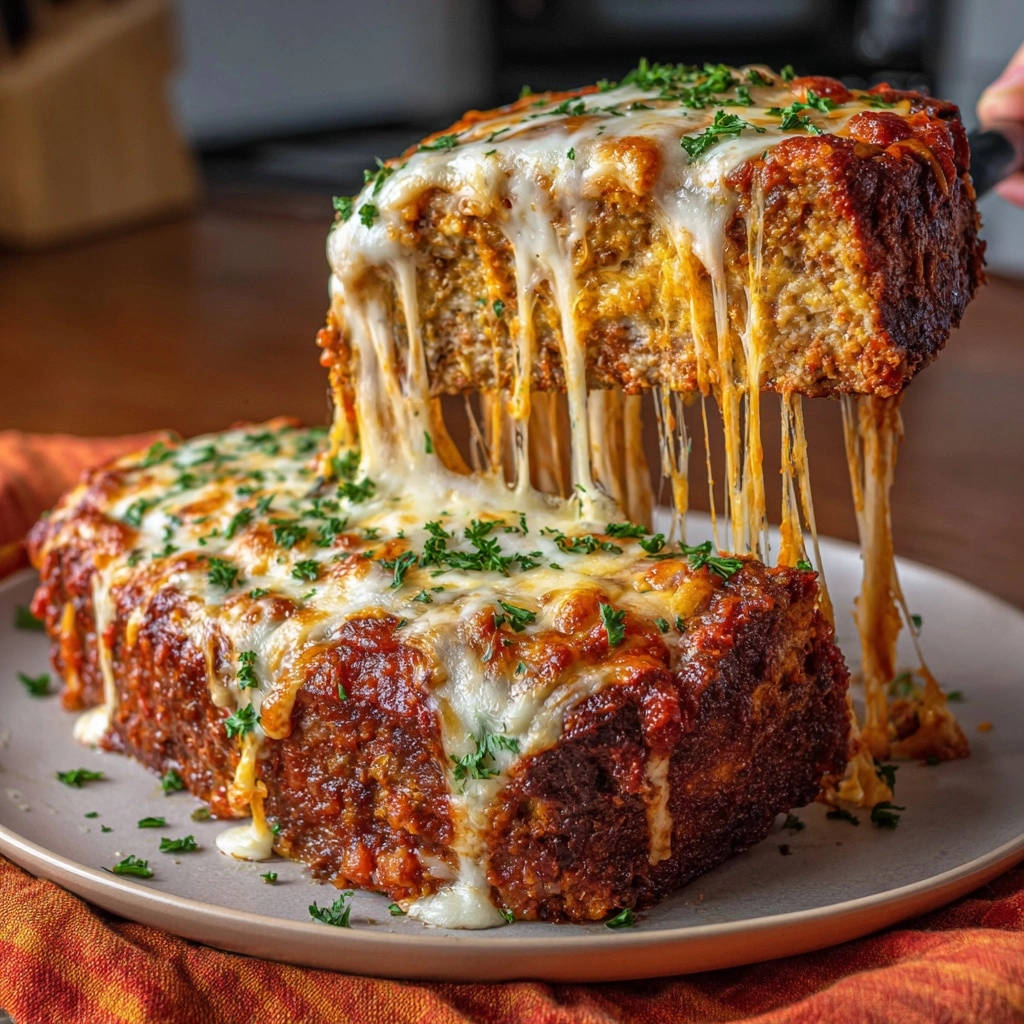
Say Goodbye to Dry Meatloaf: Crafting a Cheesy, Moist Masterpiece
Meatloaf. The word itself often conjures images of cozy family dinners, comforting aromas, and perhaps, for some, a lingering fear of a dry, bland brick of ground meat. For too long, this quintessential comfort food has been unfairly stereotyped, overshadowed by less-than-stellar renditions. But what if we told you that the secret to a truly unforgettable meatloaf lies in a simple yet profound addition? Enter the glorious world of
cheesy meatloaf, a dish that not only banishes dryness but elevates every bite into a rich, tender, and intensely flavorful experience. This isn't just about throwing a slice of cheese on top; it's about integrating cheese as a core component, transforming a humble meal into a moist, cheesy masterpiece that will have everyone asking for seconds.
The journey to a perfect cheesy meatloaf is less about strict adherence to a single recipe and more about understanding the principles that make it so incredibly delicious. From selecting the right blend of meats and binders to mastering the art of gentle mixing and proper baking, every step plays a crucial role in achieving that coveted moist interior and savory crust. Gone are the days of dense, crumbly meatloaf; prepare to embrace a creation so tender and packed with flavor, it redefines what comfort food truly means.
The Foundation of Flavor & Moisture: Beyond Basic Beef
The starting point for any exceptional meatloaf is the meat itself, and for a truly rich and flavorful
cheesy meatloaf, a single type of ground meat simply won't cut it. While ground beef is the traditional choice, blending it with Italian sausage introduces an unparalleled depth of flavor and crucial moisture. The fat content in a good quality ground beef (ideally 80/20 lean-to-fat ratio) provides succulence, but Italian sausage—whether sweet or spicy—brings an aromatic blend of herbs and spices, along with additional fat, that profoundly enriches the overall profile. This combination not only adds complexity but also helps keep the meatloaf incredibly moist from the inside out. For those adventurous palates, experimenting with ground pork or even a touch of ground veal can further enhance the texture and taste, creating a bespoke blend that caters to your preferences.
Beyond the meat, the binders and aromatics are paramount in securing that elusive moist texture. A common pitfall of dry meatloaf stems from a lack of internal moisture. This is where the magic of milk-soaked breadcrumbs comes in. Instead of dry breadcrumbs absorbing moisture *from* the meat during cooking, soaking them in milk beforehand allows them to swell, acting as tiny sponges that release moisture throughout the baking process. This technique, a cornerstone of many classic recipes, also contributes to a tender, cohesive texture without making the meatloaf dense. For an extra layer of richness and a slightly different texture, some recipes even call for buttery crackers like Ritz, which add their own unique flavor and aid in moisture retention.
Furthermore, don’t underestimate the power of pre-cooked vegetables. Sautéing finely chopped onions, bell peppers, and minced garlic before adding them to the meat mixture serves multiple purposes. It mellows their raw, pungent flavors, softens their texture so they integrate seamlessly into the loaf, and releases their natural moisture and aromatics, infusing the entire dish with a delicate sweetness and savory depth. Allowing these vegetables to cool slightly before mixing them in is a small but important step, preventing them from prematurely cooking the meat and affecting the texture. Along with these, essential liquid binders like Worcestershire sauce, ketchup, and Dijon mustard not only contribute to the overall flavor profile but also add another layer of moisture, ensuring every ingredient works in harmony to create a truly moist and tender meatloaf.
The Cheese Factor: Elevating Your Meatloaf Experience
This is where "cheesy meatloaf" truly lives up to its name. The strategic incorporation of cheese is the game-changer, turning a good meatloaf into an extraordinary one. Cheese doesn't just add a layer of flavor; its fat content and melting properties significantly contribute to the meatloaf's moisture and tenderness. When cheese melts within the meatloaf, it creates pockets of creamy goodness that prevent the surrounding meat from drying out, while also adding an irresistible gooey texture.
Choosing the right cheese is crucial. For a classic, comforting flavor, sharp or mild cheddar cheese is a fantastic choice, offering a familiar tang and excellent melting characteristics. However, don't limit yourself! Provolone or mozzarella can provide a wonderfully stretchy, gooey texture, especially when layered within or on top of the loaf. Monterey Jack offers a mild, buttery flavor and superb meltability, while a touch of grated Parmesan or Pecorino Romano can lend a salty, umami kick that deepens the overall savory profile. A combination of cheeses often yields the most complex and satisfying results. Imagine the rich creaminess of melted cheddar intertwined with the subtle stretch of mozzarella – pure bliss!
The "where" and "how much" of cheese are equally important. For maximum impact, cheese should be incorporated in two distinct ways. First, a generous amount should be mixed directly into the meatloaf mixture. As the meatloaf bakes, this internal cheese melts, distributing its flavor and moisture throughout every fiber of the meat. This is your secret weapon against dryness, ensuring each slice is infused with cheesy goodness. Secondly, a final layer of cheese melted on top during the last stage of baking creates an enticing, golden-brown crust that seals in moisture and adds a delightful textural contrast. For the best melting experience, consider shredding your own cheese from a block rather than using pre-shredded varieties, which often contain anti-caking agents that can hinder a perfectly smooth melt.
The Art of Assembly & Baking for Perfection
Once you've gathered your premium ingredients, the assembly process is surprisingly straightforward, but a few key techniques will guarantee success. The golden rule for combining your meatloaf ingredients is *gentle mixing*. Overmixing is the enemy of tender meatloaf; it develops the proteins in the meat too much, resulting in a dense, rubbery texture. Use your hands, and mix just until everything is combined – don't knead or compact the mixture. This ensures the meatloaf remains light, airy, and truly tender.
When it comes to shaping, you have options. While baking the meatloaf in a loaf pan helps maintain its shape and contains juices, many prefer to form it into a free-standing loaf on a baking sheet. This allows for more even browning on all sides and can lead to a more appealing crust. If using a loaf pan, ensure it's not packed too tightly. For either method, gently pressing a shallow divot or a small "V" shape down the center of the loaf can help it cook more evenly and prevent it from bulging in the middle.
Baking temperature and time are crucial for safety and texture. A typical range for meatloaf is around 350-375°F (175-190°C). The total baking time will depend on the size and thickness of your loaf, but generally ranges from 60 to 90 minutes. The most reliable way to ensure your cheesy meatloaf is perfectly cooked and safe to eat is to use an instant-read meat thermometer. The internal temperature should reach 160°F (71°C) at its thickest point. If you plan to add a cheese topping, do so during the last 10-15 minutes of baking, allowing it to melt into a gooey, golden crown without burning.
Perhaps the most overlooked step in achieving a truly juicy meatloaf is the resting period. Once your meatloaf reaches the correct internal temperature, remove it from the oven and let it rest, loosely tented with foil, for at least 10-15 minutes before slicing. This allows the juices to redistribute throughout the loaf, resulting in a more moist and flavorful slice. Cutting into it too soon will cause those precious juices to run out, leaving you with a drier, less enjoyable experience.
Customization & Serving Suggestions
The beauty of a good
cheesy meatloaf lies in its versatility. While the core elements ensure a moist and flavorful result, there's ample room to personalize it and make it truly your own. Don't hesitate to experiment with different spices and herbs; a pinch of smoked paprika can add a wonderful smoky undertone, while fresh rosemary or thyme will infuse an aromatic, earthy note. You could even incorporate finely chopped mushrooms, shredded carrots, or a handful of fresh spinach into the mix for added nutrients and texture.
The glaze is another opportunity to inject personality. While a simple ketchup topping is a classic for good reason, consider a tangy BBQ sauce for a smoky-sweet finish, a sweet chili sauce for a gentle kick, or a balsamic glaze for a sophisticated, slightly acidic counterpoint. Apply your chosen glaze during the last 20-30 minutes of baking, allowing it to caramelize into a beautiful, flavorful crust.
And what's a comforting cheesy meatloaf without equally comforting sides? Harken back to the Southern tables that know comfort best: creamy mashed potatoes are a non-negotiable classic, perfect for soaking up any savory juices. Slow-simmered green beans, perhaps with a smoky hint of bacon or salt pork, offer a delicious counterpoint. Don't forget a side of fluffy Southern cornbread, perhaps some fried okra, or even fresh purple hull peas and sliced ripe tomatoes for a taste of garden-fresh goodness. These pairings don't just complete the meal; they elevate it to a full-blown culinary experience, reminiscent of cherished family traditions.
Conclusion: Embrace Your Cheesy Meatloaf Masterpiece
No longer shall dry meatloaf haunt your dinner table. By understanding the simple yet powerful techniques outlined here – from the strategic blend of meats and milk-soaked binders to the generous incorporation of delicious cheese and the crucial resting period – you are now equipped to craft a meatloaf that is nothing short of a masterpiece. This isn't just a recipe; it's a philosophy for creating comfort food that truly delivers on its promise: rich, tender, and incredibly moist. So, gather your ingredients, follow these insights, and prepare to delight your family and friends with a
cheesy meatloaf that will redefine their expectations and become a new family favorite. Say goodbye to dry, and hello to delicious!